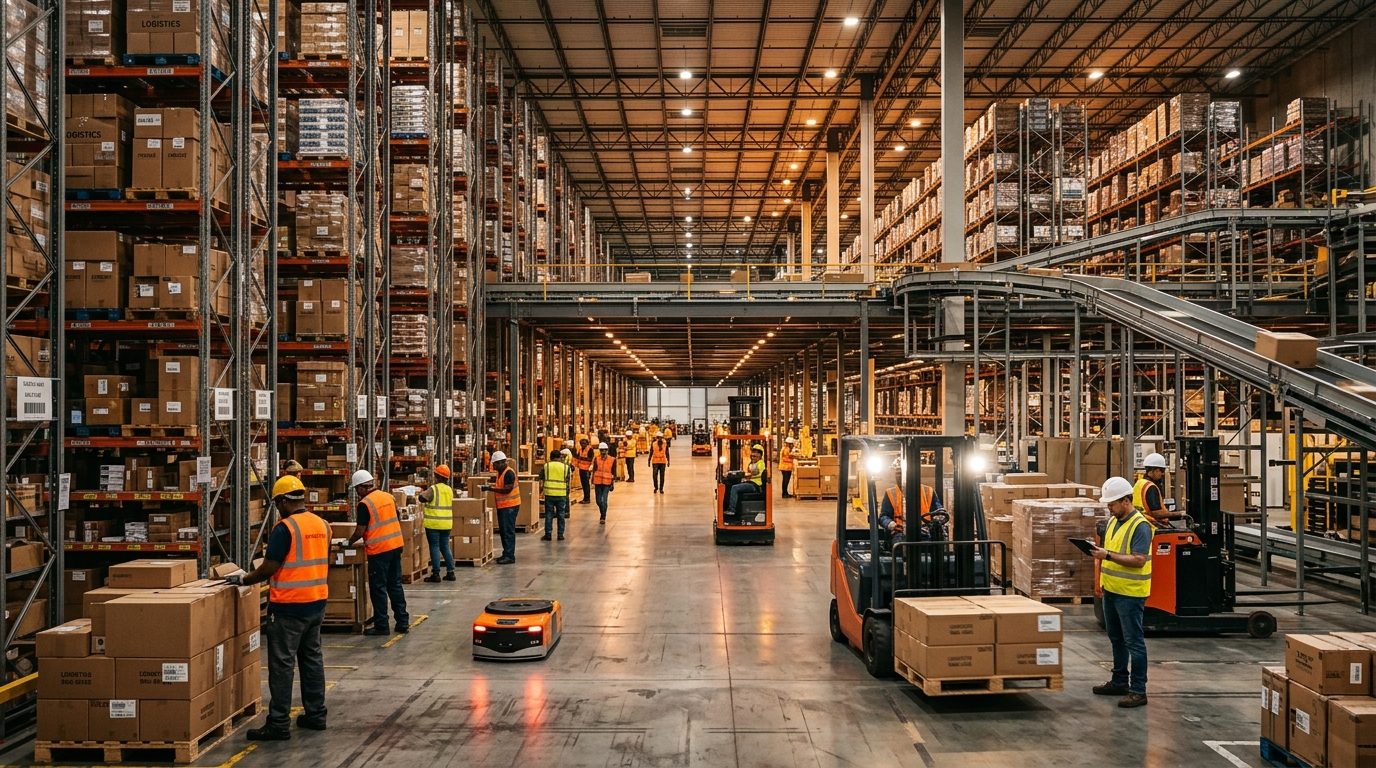
How to Choose the Right Freight Broker for Your B2B Business
Choosing a freight broker is one of the most consequential decisions a B2B company can make. The wrong broker will cost you in delays, hidden fees, damaged cargo, and missed deadlines. The right broker becomes a genuine competitive advantage.
Over the years at Best Internation Resources, we've seen exactly what separates reliable freight partners from unreliable ones. Here are the 7 factors that matter most.
1. Verify Their FMCSA License and Surety Bond
Every legitimate US freight broker must be registered with the Federal Motor Carrier Safety Administration (FMCSA) and carry a $75,000 surety bond. This is not optional — it is a legal requirement.
Before signing any agreement, check the FMCSA Broker Authority lookup at safer.fmcsa.dot.gov. Search by MC number. If the broker cannot provide their MC number immediately, walk away.
The surety bond protects you if the broker fails to pay the carriers they hire. Without it, you are exposed.
2. Evaluate Their Carrier Network Size and Vetting Process
A freight broker is only as reliable as the carriers they work with. Ask these questions directly:
- How many carriers are in your network?
- What is your carrier onboarding and vetting process?
- Do you verify carrier insurance certificates before every load?
- What is your process for carriers with safety violations?
Red flag: A broker who says "we work with thousands of carriers" without explaining their vetting process is almost certainly using a load board like DAT or Truckstop.com to find the cheapest available truck, not the most vetted one.
3. Ask About Their Technology and Track-and-Trace Capabilities
In 2026, there is no excuse for a freight broker who cannot give you real-time shipment visibility. Modern TMS (Transportation Management System) platforms provide:
- GPS tracking on every load
- Document digitization (BOL, POD, carrier invoices)
- Automated milestone alerts (pickup confirmed, in transit, delivered)
- API integration with your ERP or inventory systems
If a broker still faxes documents or updates you via sporadic phone calls, they are operationally a decade behind.
4. Understand Their Claims and Cargo Insurance Process
Cargo damage happens. How a broker handles it tells you everything about their character.
Ask: "What is your cargo claim process? What is your timeline for resolution?"
Industry standard is resolution within 30 days. A broker who hedges this answer or says "it depends on the carrier" is signaling that they will leave you to fight the carrier on your own.
At minimum, your freight should be covered for $100,000 per occurrence. For high-value cargo, require the broker to arrange contingent cargo coverage before every load.
5. Check References From Companies in Your Industry
A freight broker who excels at FTL dry van across the Midwest may be completely out of their depth handling your temperature-controlled pharmaceutical shipments or your oversized industrial equipment.
Ask for 3 references from companies in your specific industry who ship similar freight on similar lanes. Then call them. Ask:
- How do they handle disruptions?
- Have they ever left a load uncovered?
- Do they communicate proactively or reactively?
6. Evaluate Their Financial Stability
Freight brokers who go bankrupt do not pay their carriers. Carriers then have the legal right to pursue the shipper (you) for payment, even if you already paid the broker.
This is called a double payment risk and it is one of the most dangerous hidden risks in freight brokering.
Ask for the broker's credit score through platforms like Dun & Bradstreet, or ask them to provide a reference from their factor or bank. A financially stable broker should not hesitate to demonstrate their health.
7. Clarity of Pricing and Contract Terms
Avoid any broker who cannot clearly explain their rate structure. Common hidden costs include:
- Fuel surcharges that reset weekly
- Accessorial charges (liftgate, residential, limited access)
- Detention fees after 2 free hours at loading docks
- Broker margin markups disguised as "carrier rate adjustments"
Demand all-in pricing upfront and a clear contract that specifies liability, dispute resolution, and cancellation terms.
The Bottom Line
The cheapest freight broker is almost never the best freight broker. The companies that build resilient, scalable supply chains choose partners based on reliability, transparency, and operational excellence — not the lowest spot rate.
At Best Internation Resources, every client engagement starts with a comprehensive needs assessment and a carrier match specific to their freight profile, lanes, and industry. Request a consultation to find out what the right logistics partnership looks like for your business.