Warehouse Location Strategy: How to Choose the Right Distribution Hub
The location of your warehouse or distribution center is one of the highest-stakes decisions in your supply chain. Get it right and you have a structural cost advantage for 5–10 years. Get it wrong and you are either locked into an expensive lease that does not serve your customer base, or you are paying premium freight rates to compensate for geographic misalignment.
This decision should never be made based on where your leadership team lives, where real estate happens to be cheap, or where you find a convenient building. It requires a structured analytical process.
Step 1: Map Your Customer Concentration
The first input in any warehouse location decision is understanding where your customers are geographically.
Plot your customer base by zip code (or county for B2B) and calculate:
- What percentage of your volume comes from each region?
- What is the weighted average shipping zone from potential warehouse locations?
A lower average shipping zone means lower shipping costs per unit. For most US e-commerce and B2B distributors, the customer base is concentrated in the Northeast, Southeast, Midwest, and California — meaning the US is not served optimally by a single location.
The center-of-gravity model: A mathematical optimization that identifies the warehouse location that minimizes total shipping cost given your customer geographic distribution and order volumes. This is standard practice for enterprise shippers.
Step 2: Evaluate Transportation Network Access
Proximity to transportation infrastructure is critical:
Interstate Highway Access
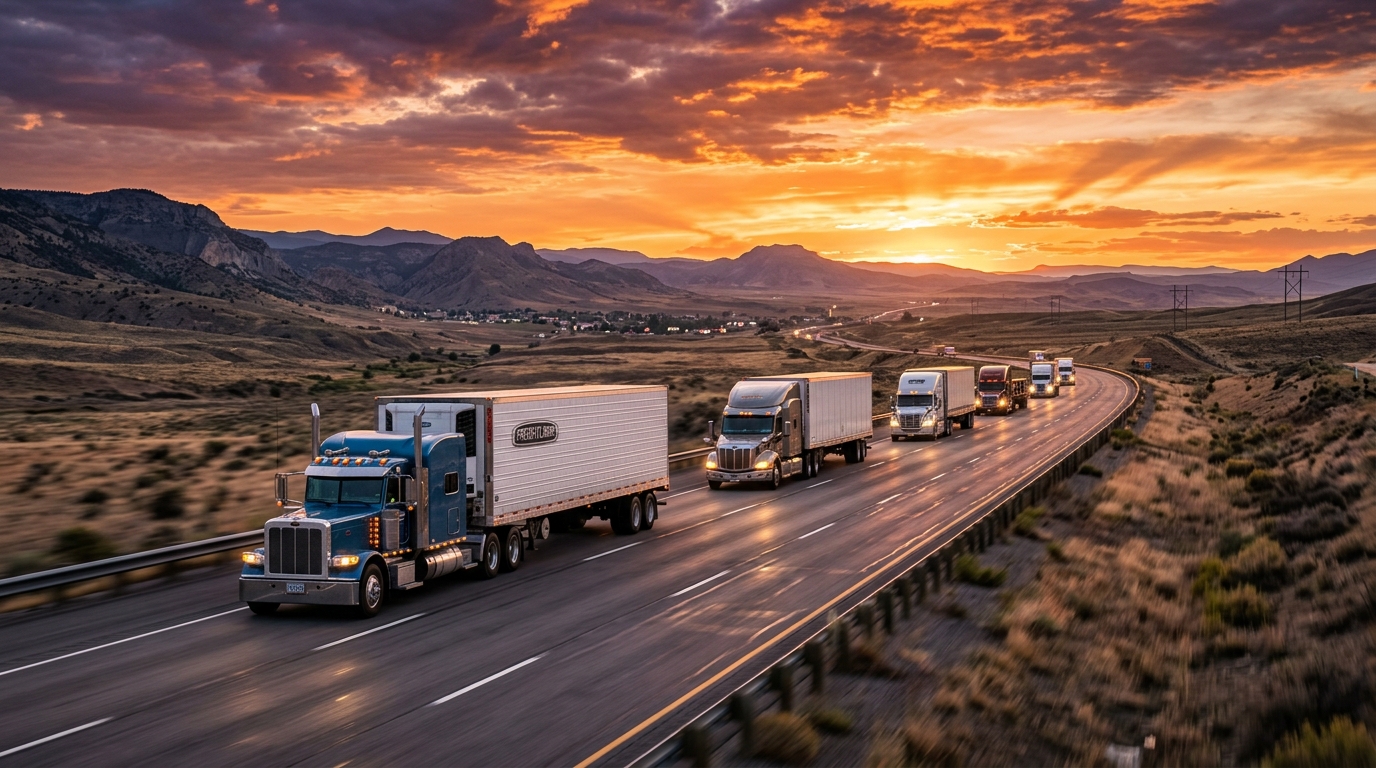
Your facility should have direct access (within 5–10 miles) to a major interstate interchange. Every additional mile of secondary road adds cost and time for every inbound and outbound truck.
Proximity to Major Ports
For importers receiving ocean freight, proximity to a major port reduces drayage (the truck move from port to warehouse):
- West Coast imports: Proximity to Los Angeles/Long Beach or Seattle/Tacoma
- East Coast imports: Proximity to New York/New Jersey, Savannah, Baltimore, or Charleston
- Gulf Coast imports: Proximity to Houston or New Orleans
Drayage can cost $500–$1,500 per container. If you receive 500 containers per year, a 30% drayage reduction is $75,000–$225,000 in annual savings.
Rail Access
For distributors moving high volumes over long distances, facilities with rail siding access or proximity to an intermodal rail hub can dramatically reduce long-haul freight costs.
Step 3: Analyze the Labor Market
A warehouse without labor is a building. Warehouse labor markets vary enormously across the US:
High-competition, high-wage markets:
- Inland Empire, CA (overwhelmed by Amazon, Target, and major 3PLs)
- Dallas-Fort Worth, TX
- Memphis, TN
Emerging markets with available labor:
- Savannah, GA (rapidly growing port-adjacent)
- Columbus, OH (Midwest distribution hub)
- Phoenix, AZ (Southwest growth)
- Harrisburg, PA (Mid-Atlantic access)
Evaluate:
- Unemployment rate (lower = tighter labor market)
- Prevailing warehouse wage rate (often 40–60% of operating cost)
- Union presence and history of labor disputes
- Workforce scalability — can you hire 50 temp workers in 2 weeks for peak season?
Step 4: Understand Real Estate Market Dynamics
Industrial real estate markets have tightened dramatically in the post-pandemic period. Vacancy rates in many top-tier logistics markets are below 2%, with lease rates having increased 40–80% since 2020.
Key metrics to evaluate:
- Asking rent per square foot (NNN — triple net, meaning you pay taxes, insurance, and maintenance)
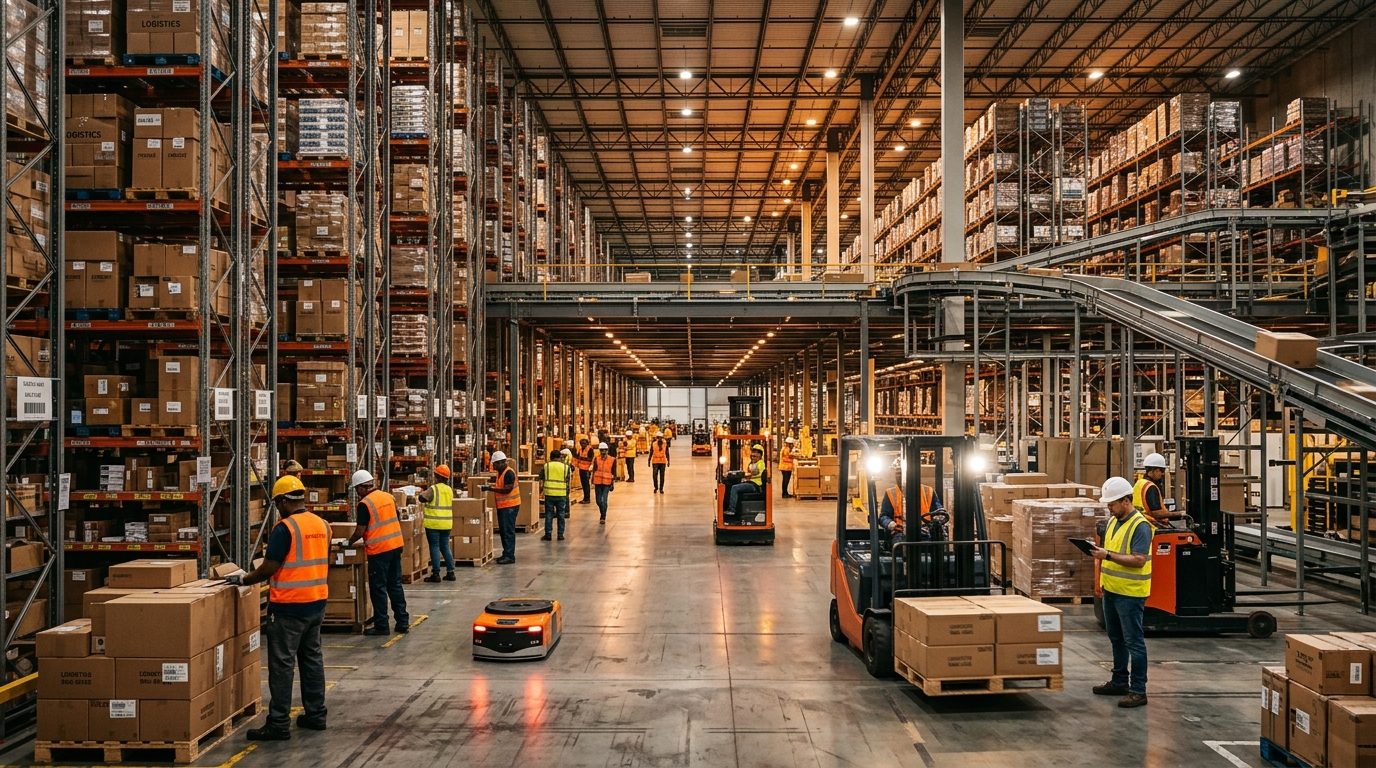
- Clear height (minimum 28–32 feet for modern racking; 36+ for automated systems)
- Dock door ratio (1 dock door per 5,000–10,000 sq ft for active distribution)
- Truck court depth (minimum 130 feet for full trailer maneuvering)
- Power capacity (critical for refrigerated or automated facilities)
- Lease term flexibility (3 years vs 10 years — flexibility has significant value for growing companies)
Step 5: Model the Total Delivered Cost
The final step is building a total cost model for each candidate location. This includes:
- Real estate cost (lease rate × square footage)
- Labor cost (headcount × average wage × weeks/year)
- Inbound freight cost (from suppliers to the warehouse)
- Outbound freight cost (from warehouse to customers) — typically the largest variable
- Drayage cost (port to warehouse for importers)
- Utility costs (vary significantly by state and climate)
- State and local tax implications
The lowest-rent building often has the highest total delivered cost. The analysis must be holistic.
Common Mistakes to Avoid
Mistake 1: Choosing your home market Decision-makers often default to locations they are personally familiar with. Personal familiarity is not a supply chain optimization criterion.
Mistake 2: Optimizing for current volume Your warehouse will be operational for 5–15 years. Model your projected volume at years 1, 3, and 7, not just today.
Mistake 3: Ignoring scalability Can you expand in place if you outgrow the facility? An adjacent expansion parcel or a flexible lease structure with expansion rights is worth significant premium.
Mistake 4: Not evaluating port proximity for importers If you import product, drayage costs and transit time from the port to your facility are a major cost driver that is often overlooked in the real estate analysis.
At Best Internation Resources, we work with clients on distribution network design as part of our supply chain consulting practice. Contact us to discuss your warehouse strategy.